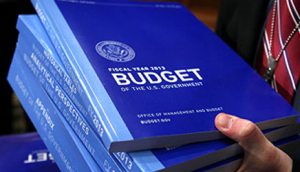
 As reported by Food Safety News on April 11, 2013, the Obama administration is “seeking a significant increase in funding at the U.S. Food and Drug Administration to help the agency implement the monumental Food Safety Modernization Act.” Obama Administration Seeks FDA Funding Increase for FSMA Implementation
Noting that the “administration’s budget is very unlikely to be enacted,” Food Safety News reported that:
The White House proposed $3.8 trillion in spending for fiscal year 2014, including $4.7 billion for FDA, which represents a more than 20 percent increase over its 2012 budget. More than 90 percent of the $821 million boost would come from industry user fees.
For food safety, the administration is proposing a $295 million increase, compared to FY 2012, to “build a strong, reliable food safety system,” but only $43 million of that increase would be regular funding. More than $252 million of it would come from food facility registration and inspection fees and food importer fees, but it’s not clear that Congress will actually mandate those fees for the food industry.
According to the budget breakdown from the White House, legislation will be proposed to allow FDA to collect fees for food facility registration and inspection as well as for food import to implement the requirements of FSMA. The document says $59 million would come out of registration and inspection fees. On the import side, the administration estimates it would collect $166 million to support food safety efforts. The food industry has long argued against user fees.
As the FDA continues to roll out FSMA, the produce industry should make every effort to stay up-to-date on how FSMA will impact the industry from a practical standpoint. To be clear, FSMA will (rightly or wrongly) bring global changes to the produce industry and those changes require funding. No matter what the final budget looks like, the food industry will ultimately bear the bulk of the costs associated with implementing and enforcing FSMA. For that reason alone, the produce industry should take great interest in every word used in every regulation and understand every dollar associated with every regulatory fee charged. I urge you to contact your industry association, your peers, your lawyer, etc…. Voice your concerns about how FSMA affects your business.
 On April 11, 2013, United Fresh Produce Association, on behalf of almost 90 separate produce industry groups, formally petitioned the FDA to enlarge the May 16, 2013 deadline for submitting industry comments to the proposed Produce Safety and Preventative Controls Rules under FSMA. United Fresh’s request for more time is “necessitated by the complex and substantial changes proposed for the fresh and fresh-cut produce industry by these proposed rules.”
  Nothing is more important to a produce company’s cash flow than ensuring the creditworthiness of its customers. This statement begs the question:
 On April 2, 2013, the FDA issued a Notice extending the comment period on the Institute of Food Technologists’ findings and recommendations to the FDA for the improvement of tracking and tracing food under FSMA. The new deadline to submit comments on the IFT’s report is
 This week the FDA launched an updated its Frequently Asked Question & Answer (“FAQs”) section to include detailed areas on the two recently introduced food safety rules, which addressed preventative controls and produce safety.
 If you operate in the food space and offer branded products and/or if your company name is valuable, please read this entry. Beginning on